AC Outdoor Coil Corroding by the Coast? Why Salt Air Eats It Faster
July 16, 2026
Key Components and Their Functions
Quick Answer: Salt air corrodes an outdoor AC coil faster because sea spray coats the copper tubes and aluminum fins with chloride salt that traps moisture and sets off an electrochemical reaction between the two dissimilar metals. That reaction, called galvanic corrosion, eats the aluminum fins first, then pitting and formicary corrosion can tunnel through the copper until the coil leaks refrigerant. Near the water, unprotected coils can lose a large share of their expected life, so the fixes are regular rinsing, keeping the unit clear, and protective coatings on a still-healthy coil.
You walk out to the outdoor unit on a barrier-island afternoon and the aluminum fins look chalky and white, a few are crumbling at the edges, and there is rust creeping across the screws and the base pan. The unit still runs, but the cooling is not what it was, and you have a nagging sense that the coast is quietly taking your air conditioner apart. That instinct is right. Living near the water buys you the breeze and the view, and it also puts your condenser in one of the harshest environments a piece of cooling equipment can face.
Salt air does not just make metal look bad. It changes the chemistry happening on the surface of your coil, and it does it faster than most homeowners realize. Here is what is actually eating the coil, why the coast accelerates it, and what genuinely slows it down.
What the Outdoor Coil Is Made Of and Why That Matters
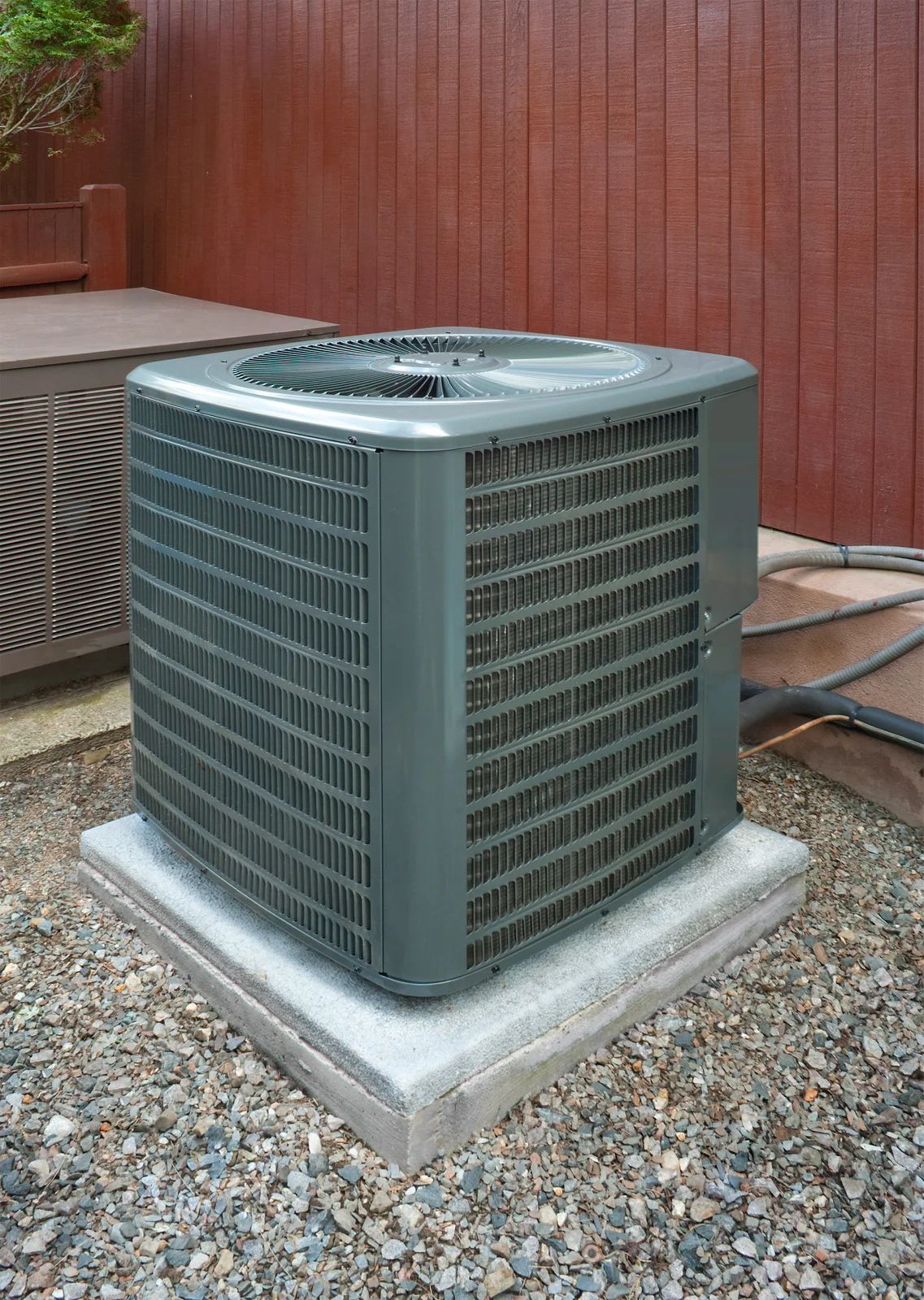
To understand why salt air is so destructive, you have to know what you are looking at. The outdoor condenser coil on a standard system is built from copper tubes bonded to thin aluminum fins. The refrigerant runs through the copper, the fins pull heat away and hand it off to the air moving through the unit, and the two metals are pressed into direct contact so heat transfers efficiently between them.
That design is excellent for moving heat and terrible for resisting corrosion once salt enters the picture. Whenever two dissimilar metals touch and an electrolyte bridges them, you have the exact recipe for an electrochemical reaction. Copper and aluminum are electrically very different from each other, and salt water is a strong electrolyte. On the coast, all three ingredients are present at once, sitting on your coil every day.
Galvanic corrosion. This is the main event near the water. When salt-laden moisture connects the copper tube and the aluminum fin, the aluminum becomes the sacrificial metal and corrodes faster than it ever would on its own, while the copper is protected at the aluminum's expense. The damage starts right at the fin collars, where the aluminum wraps the copper, because that is the point of electrical contact. As the fins corrode, they lose conductivity, the aluminum-oxide deposits choke airflow, and heat transfer drops. Unprotected aluminum fins exposed to ocean air for a few years can end up crumbling like old paper.
The Three Kinds of Corrosion Salt Air Drives
Not all coil corrosion looks the same, and the coast can drive more than one type at the same time. Knowing the difference helps you read what you are seeing on the unit.
Pitting corrosion
Salt chloride attacks copper's protective layer, creating deep, localized pits that gradually penetrate tubing. Even a small hidden pit can eventually cause a refrigerant leak and reduce cooling performance.
Formicary corrosion
Formicary corrosion creates microscopic tunnels inside copper tubing through moisture, oxygen, and organic acid reactions. These hidden pathways eventually form pinhole leaks, while constant coastal humidity encourages the corrosion process to continue.
General corrosion
General corrosion affects cabinets, fins, fasteners, and base pans through constant salt exposure. Visible rust or residue often signals ongoing deterioration, indicating the system requires maintenance before more serious damage develops.
Tip: Look at the small stuff first. Rusting screws, corroded brackets, and a flaking base pan are early tells. If the hardware around the unit is rusting quickly, the coil is breathing the same salty air and is corroding on the same timeline, even if the fins still look presentable.
Why the Coast Speeds It All Up
It is not your imagination that a unit near the beach ages faster than the same model a few miles inland. The Gulf environment stacks several accelerators on top of one another.
Salt that travels and lingers
Sea spray, mist, and coastal winds carry salt that settles on AC coils. After water evaporates, salt remains, attracting moisture and keeping metal damp longer, which significantly increases corrosion risk over time.
Humidity that never lets up
High coastal humidity keeps a thin salty film on outdoor AC components almost constantly. Continuous moisture allows corrosion to progress with little interruption, causing faster deterioration than systems located in drier inland environments.
Storms that deliver a heavy dose
Strong coastal storms and sea breezes can cover outdoor AC units with concentrated salt deposits within hours. This sudden exposure speeds corrosion, making prompt rinsing and maintenance important after severe weather events.
Put together, these conditions are why coastal salt exposure can cut the expected service life of an unprotected condenser dramatically, in some studies by roughly half compared with a sheltered inland environment. Corrosion that might take many years elsewhere can show up within one to four years near the water, and in aggressive spots even sooner.
The Warning Signs Worth Catching Early
Corrosion rarely announces itself with a single dramatic failure. It builds, and the earlier you catch it, the more options you have. These are the signals a technician looks for on a coastal unit.
White or green residue on the coil
Chalky white deposits on the aluminum or green tint on the copper are corrosion products. They are the surface telling you the reaction is active.
Flaking or crumbling fins
If you see metallic dust, bent-over fins, or gaps where fins have simply disintegrated, the aluminum is well into galvanic breakdown and airflow through the coil is already suffering.
Oil staining around the coil
A greasy film near the tubing often points to a refrigerant leak, which is exactly what pitting and formicary corrosion eventually cause. This one moves a coil from watch-it to service-it.
Longer run times and warmer air
When corroded fins choke airflow and heat transfer, the system works harder for less cooling. Longer cycles, warmer supply air, and creeping energy use are the performance side of corrosion.
Repeat electrical gremlins. Salt corrodes the terminals and connections in the outdoor unit too, which can cause intermittent operation and recurring service calls that seem unrelated until you trace them back to corroded contacts.
Warning: Do not reach for a pressure washer to blast salt off the coil. The fins are thin and easily flattened, and high-pressure water folds them over, drives moisture into electrical areas, and can turn a maintenance step into new damage. A gentle rinse is the goal, not a power wash.
What Actually Slows Salt-Air Corrosion
You cannot move the ocean, but you can change how much salt sits on the coil and how long it stays wet. A few habits make a real difference over the life of a coastal system.
Rinse the outdoor unit on a schedule
Rinse your outdoor AC unit with fresh water once or twice monthly to remove salt before it causes corrosion. Turn the system off, use a garden hose, rinse downward gently, and repeat after major storms or strong coastal winds.
Keep the unit clear and able to dry
Keep shrubs, grass, and other landscaping trimmed away from your outdoor condenser. Good airflow allows the unit to dry faster after rain or rinsing, reducing trapped moisture, minimizing corrosion, and helping the system operate more efficiently year-round overall.
Consider a protective coating on a healthy coil
Protective coil coatings create a barrier between salty air and metal surfaces, reducing corrosion risk while maintaining heat transfer. Apply coatings before damage develops, since they cannot restore deteriorated fins or repair leaking coils after corrosion has progressed significantly.
Think about placement and mounting
Proper condenser placement reduces long-term salt exposure. Installing the unit above standing water, away from direct salt spray, and in an area with unrestricted airflow helps minimize corrosion, while coastal-rated equipment provides added protection from harsh environmental conditions year-round.
Schedule coastal-minded maintenance
Regular coastal AC maintenance should include inspecting coils, electrical terminals, cabinet rust, drainage, and corrosion levels. Professional cleaning safely removes salt buildup without damaging delicate fins, helping extend equipment life, maintain efficiency, and reduce the risk of unexpected system failures.
Frequently Asked Questions
How fast can salt air actually ruin an AC coil?
Coastal corrosion speed depends on water exposure and conditions. Salt damage may appear within years or even weeks in harsh areas. Once corrosion starts, trapped moisture and salt can accelerate further deterioration.
Why does the aluminum fin corrode before the copper tube?
Aluminum fins often corrode first because salt moisture creates an electrical reaction between aluminum and copper. The aluminum acts as the sacrificial metal, causing fins to deteriorate faster where they contact copper tubing.
Can I just rinse the unit myself?
Yes, gentle rinsing helps remove salt buildup. Turn off power, use a garden hose, rinse from top to bottom, and avoid electrical areas. Never use pressure washers, as they can damage delicate coil fins.
Are protective coil coatings worth it near the coast?
Protective coatings can help coastal AC systems by creating a barrier against salt exposure. They work best before severe damage occurs and cannot repair existing corrosion, damaged fins, or refrigerant leaks.
Does coil corrosion cause refrigerant leaks?
Yes, corrosion can create small holes in copper tubing, allowing refrigerant to escape. Pitting and formicary corrosion weaken the metal over time. Reduced cooling, oil stains, or leaks may indicate corrosion problems.
When does a corroded coil mean replacing the unit instead of repairing it?
Replacement may make sense when corrosion causes repeated leaks, major deterioration, or frequent component failures. If damage is limited and the system remains reliable, maintenance and protective treatments may extend equipment life.
Staying Ahead of the Salt
A corroding outdoor coil on the coast is not a sign you did anything wrong. It is the predictable result of copper, aluminum, salt, and constant humidity sharing the same small space, and it is why a unit near the water needs more attention than one inland. The good news is that the process is slow enough to get ahead of when you know what to look for. Watch for chalky fins, rust on the hardware, and oil staining, rinse the salt off before it settles in, keep the unit clear and dry, and protect a healthy coil before it becomes a failing one. Thirty years of working on cooling equipment up and down the Galveston coast is what tells the difference between a coil worth protecting and one already past saving, and that read is easier to make before a corroded coil starts leaking refrigerant.
Schedule a coastal
AC coil inspection — Salt air works on your outdoor coil every humid day, and the difference between a quick preventive step and a refrigerant-leaking failure often comes down to catching corrosion early. With 30 years of experience serving Galveston, Texas, JS Air Conditioning technicians inspect coil condition, corroded fins, electrical terminals, and base-pan rust, clean salt buildup the right way, and help you decide whether a protective coating or maintenance plan fits your exposure. Book a coastal coil inspection before the next heavy salt season and keep your system cooling reliably for years to come.