DIY vs Professional Furnace Repair: What You Need to Know
June 30, 2026
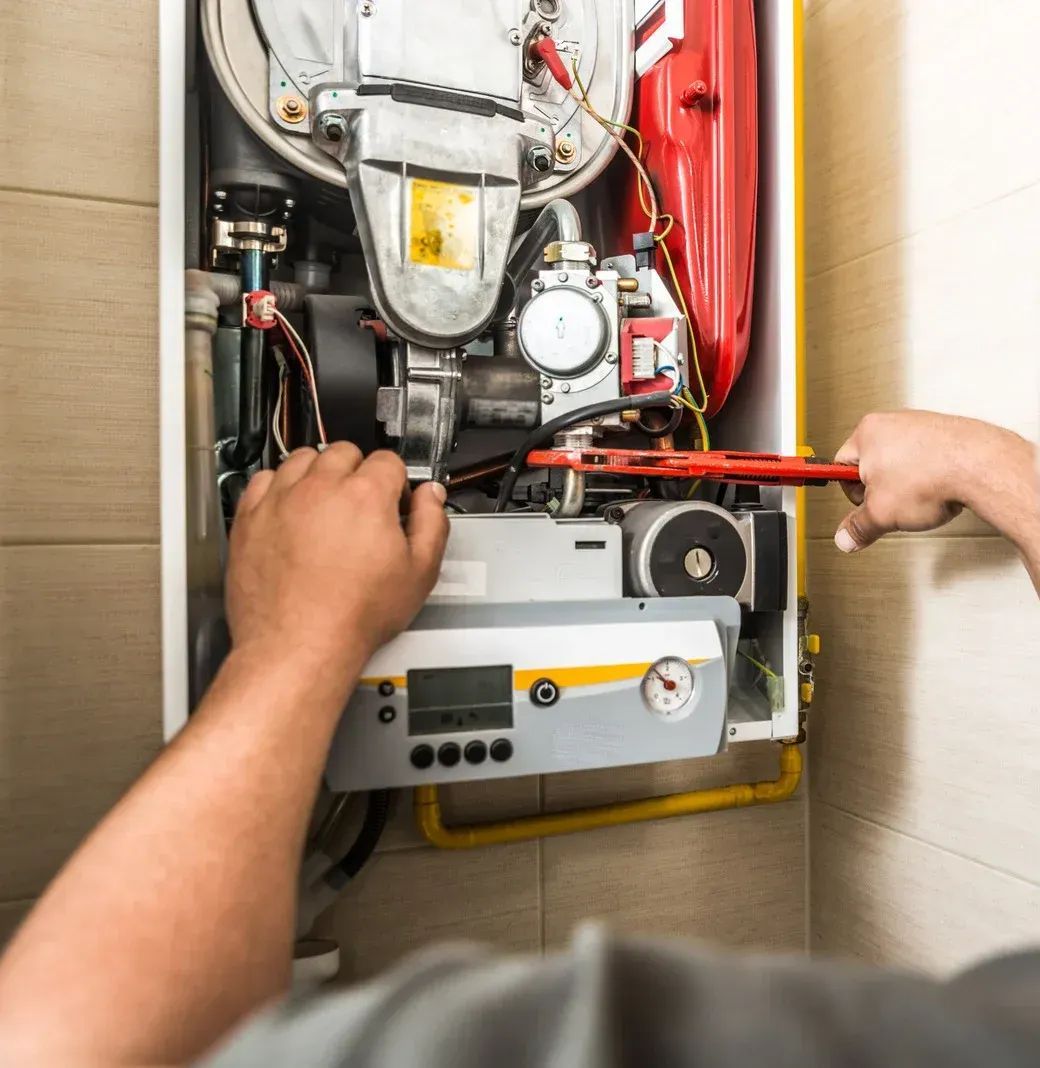
Heating systems are an essential component of home comfort, especially during colder months when maintaining a warm and safe environment becomes a priority. Furnaces, whether gas, electric, or oil-powered, are complex systems that require proper maintenance and repair to function efficiently. Homeowners often face the decision of attempting a do-it-yourself (DIY) repair or hiring a professional technician. This choice is influenced by factors such as technical expertise, time availability, safety concerns, and long-term cost considerations. Understanding the nuances of furnace repair is critical for making an informed decision that protects both the system and the household.
While DIY projects can offer a sense of accomplishment and potential cost savings, furnace repair presents unique challenges that are not always apparent to the untrained eye. From intricate electrical components to combustible gas connections, even minor mistakes can lead to safety hazards, reduced efficiency, or expensive long-term damage. Professional HVAC technicians bring the necessary experience, tools, and certifications to diagnose and resolve issues quickly and safely. This blog explores the key differences between DIY and
professional furnace repair, providing practical guidance, real-world examples, and expert insights to help homeowners weigh the benefits, risks, and best practices for maintaining a reliable heating system.
Understanding Furnace Systems
Types of Furnaces
Furnaces vary in design and energy source, and each type requires specific maintenance and repair approaches. Gas furnaces are common due to their efficiency and lower operational costs but involve handling combustible gases, which can be hazardous. Electric furnaces are safer to handle in terms of combustion but may require knowledge of complex electrical systems. Oil furnaces, less common today, demand routine cleaning and fuel system maintenance to prevent clogs and inefficient heating. Knowing the type of furnace in a home is the first step toward determining the feasibility of a DIY repair versus seeking professional help.
Key Components and Their Functions
A furnace consists of multiple components, each playing a critical role in the system’s operation. The heat exchanger transfers heat to air circulated through ductwork, while the blower motor ensures airflow. Thermostats regulate temperature, and safety switches prevent accidents such as overheating or gas leaks. Other elements, such as ignitors, burners, and pilot lights, vary based on furnace type. Understanding these components is crucial, as attempting repairs without proper knowledge may cause further damage or safety risks. Professionals have the training to evaluate each part, identify faults accurately, and perform repairs efficiently, minimizing potential hazards and operational disruptions.
Common Furnace Issues
Frequent Problems Homeowners Face
Furnaces can experience a wide range of issues, from minor malfunctions to critical failures. Common problems include uneven heating, unusual noises, frequent cycling, and pilot light or ignition failures. Clogged filters and blocked ducts are frequent causes of reduced efficiency, while worn-out components such as motors, belts, or thermocouples can lead to complete system shutdowns. Recognizing symptoms early can prevent extensive damage, but misdiagnosing issues can result in unnecessary costs or safety hazards.
Safety Considerations
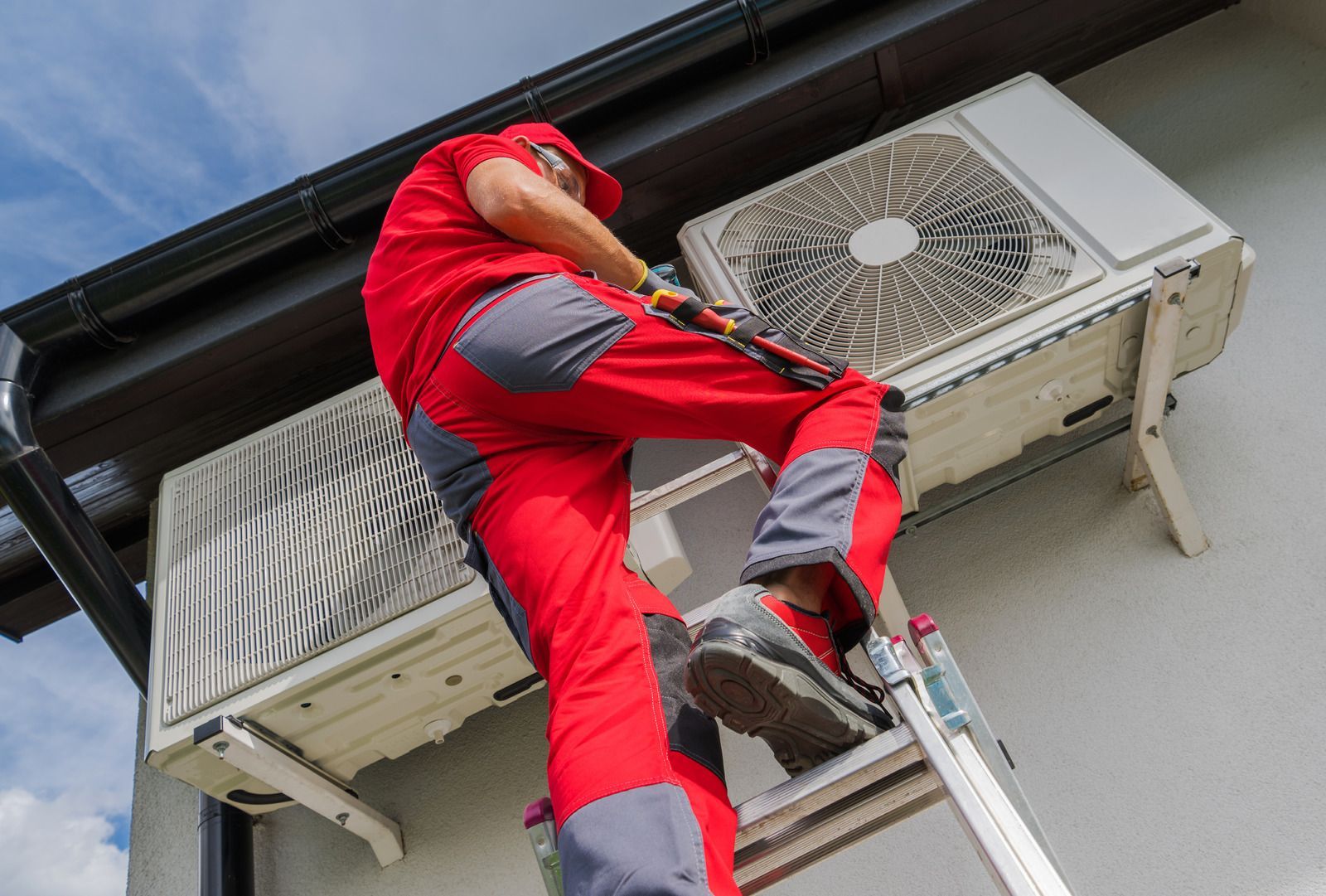
Certain furnace problems can pose serious risks if not addressed properly. Gas leaks, carbon monoxide buildup, and electrical malfunctions are life-threatening hazards that require professional intervention. Even small issues, such as faulty wiring or a cracked heat exchanger, can escalate into dangerous situations. DIY repairs might overlook these hazards, increasing the potential for injury, property damage, or legal liability. Professionals follow safety protocols, conduct inspections, and use specialized equipment to ensure repairs are performed safely and to code.
DIY Furnace Repair: Pros and Cons
Advantages of DIY Repair
One of the main appeals of DIY furnace repair is cost savings. Minor issues, like replacing filters, thermostats, or belts, can often be handled with basic tools and instructional resources. DIY repair also offers convenience, allowing homeowners to address problems immediately without waiting for an appointment. Learning the fundamentals of furnace maintenance can increase awareness of system performance and help prevent future issues.
Challenges and Risks
DIY repair carries inherent risks, particularly when dealing with gas, electricity, or complex mechanical components. Mistakes can result in equipment damage, reduced efficiency, or safety hazards such as gas leaks or electrical fires. Limited access to diagnostic tools and replacement parts can further complicate repairs. Additionally, DIY fixes may not be covered under manufacturer warranties, leading to costly replacements or repairs down the line. Without proper experience, even well-intentioned efforts can worsen the issue, creating more extensive and expensive problems than initially present.
When DIY Makes Sense
DIY is appropriate for basic maintenance and minor issues that do not involve gas, electricity, or structural components. Tasks such as cleaning or replacing air filters, inspecting ducts for visible blockages, and adjusting thermostat settings are suitable for most homeowners. Even in these cases, following manufacturer instructions and safety guidelines is essential to avoid accidental damage or reduced system performance. Simple preventative measures can extend furnace life and enhance efficiency without significant risk.
Professional Furnace Repair: Benefits and Expertise
Technical Expertise and Training
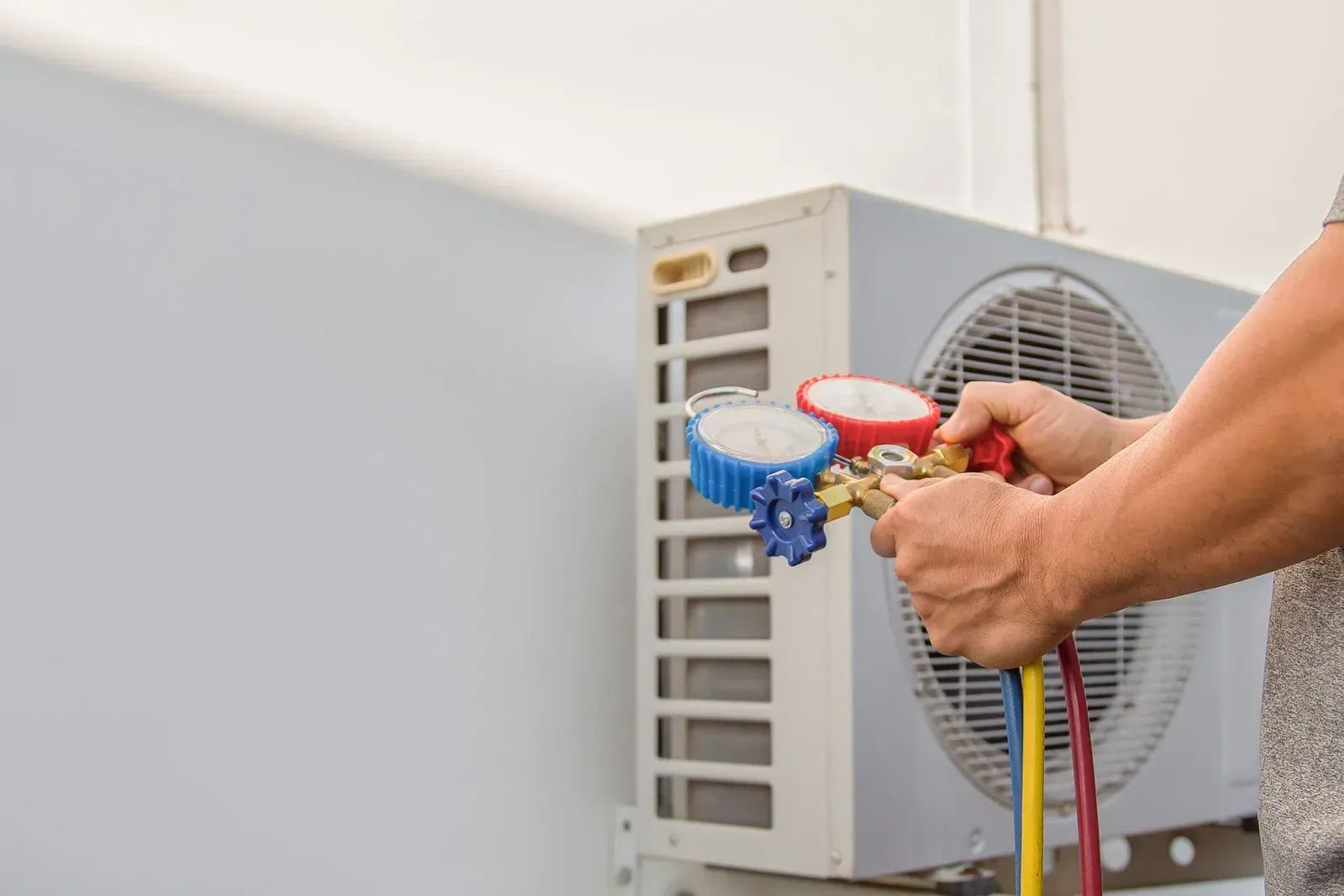
Professional HVAC technicians undergo extensive training to handle a wide range of furnace systems safely and effectively. They can accurately diagnose issues using specialized tools, including multimeters, combustion analyzers, and pressure gauges. Technicians understand the intricacies of various furnace models, allowing them to identify underlying problems that might be missed by untrained homeowners. This expertise ensures repairs are both effective and efficient, minimizing repeat issues and prolonging system lifespan.
Access to Quality Parts and Tools
Professionals have access to high-quality replacement parts and industry-standard tools that are often unavailable to the general public. Using authentic components prevents compatibility issues and maintains system efficiency. Professional tools also enable precise adjustments, calibration, and testing, ensuring optimal performance. Attempting complex repairs with inadequate tools can lead to improper installations, system inefficiency, or recurring failures.
Long-Term Cost Savings
While professional repair may involve higher upfront costs, it often results in long-term savings. Accurate diagnostics and effective repairs prevent repeat service calls and reduce energy consumption. Properly repaired furnaces operate more efficiently, lowering utility bills and minimizing wear on components. Additionally, professional services maintain compliance with manufacturer warranties, safeguarding against future expenses. In contrast, improper DIY repairs can escalate costs through repeated mistakes or premature replacement.
Decision-Making: DIY vs Professional
Evaluating the Problem
The first step in deciding between DIY and professional repair is assessing the problem’s complexity. Simple maintenance tasks and minor issues can be safely handled at home, while problems involving gas, electrical systems, or critical mechanical components should always involve a professional. Evaluating symptoms, reviewing system manuals, and considering safety implications help determine the appropriate approach.
Risk Assessment
Homeowners must weigh potential risks against the benefits of DIY repairs. Even a small error in a gas furnace can have catastrophic consequences, while electrical mistakes may cause fires or injuries. Professionals mitigate these risks through training, experience, and adherence to safety standards. Risk assessment also includes considering personal skill level, available tools, and comfort with performing technical work. When uncertainty exists, professional intervention is typically the safest and most cost-effective choice.
Best Practices for Homeowners
Regardless of the chosen approach, preventative maintenance is critical. Regular inspections, filter replacements, duct cleaning, and timely servicing extend system life and prevent emergencies. Keeping a detailed maintenance log helps track issues and plan future service. Homeowners attempting DIY repairs should follow manufacturer guidelines, wear appropriate safety gear, and shut off power or gas before starting work. If any doubt arises during repair, contacting a professional immediately ensures safety and prevents further damage.
Real-World Examples
DIY Success Stories
Homeowners often successfully address minor furnace issues independently. For instance, replacing a dirty air filter can restore airflow and improve heating efficiency within minutes. Adjusting thermostat settings or tightening loose connections in non-critical components may also solve small problems without professional intervention. These tasks build confidence in handling simple maintenance while reducing small expenses.
Professional Intervention Cases
More complex scenarios demonstrate the necessity of professional repair. For example, a cracked heat exchanger in a gas furnace poses a serious carbon monoxide risk. Only trained technicians can safely replace the component, test for leaks, and ensure proper combustion. Similarly, electrical failures, malfunctioning control boards, or persistent airflow issues often require advanced diagnostics and specialized parts. Professional involvement in such cases prevents accidents, guarantees reliable operation, and maintains warranty compliance.
Trusted Furnace Repair Expertise from JS Air Conditioning
Choosing between DIY and professional furnace repair requires careful evaluation of the problem, risks, and long-term impact. Minor issues like filter changes and basic maintenance may be suitable for hands-on homeowners, while complex problems involving gas, electricity, or critical components demand expert intervention. Safety, system efficiency, and longevity should always guide repair decisions. By understanding furnace systems, recognizing symptoms early, and following best practices, homeowners can protect their heating investment and maintain a comfortable home environment.
For homeowners in Galveston, Texas, seeking trusted furnace repair, JS Air Conditioning offers 30 years of experience in HVAC services. We specialize in safe, efficient, and reliable furnace repairs tailored to every system type.Our hands-on expertise ensures accurate diagnostics, proper part replacement, and long-lasting solutions, reducing energy costs and preventing repeat problems. Committed to professionalism, transparency, and safety, JS Air Conditioning provides peace of mind while keeping homes warm and comfortable. With decades of industry experience, every repair and maintenance task is executed with precision and care, reinforcing our reputation as a dependable authority in HVAC services.