How a Malfunctioning Furnace Affects Your Energy Bills?
April 21, 2026
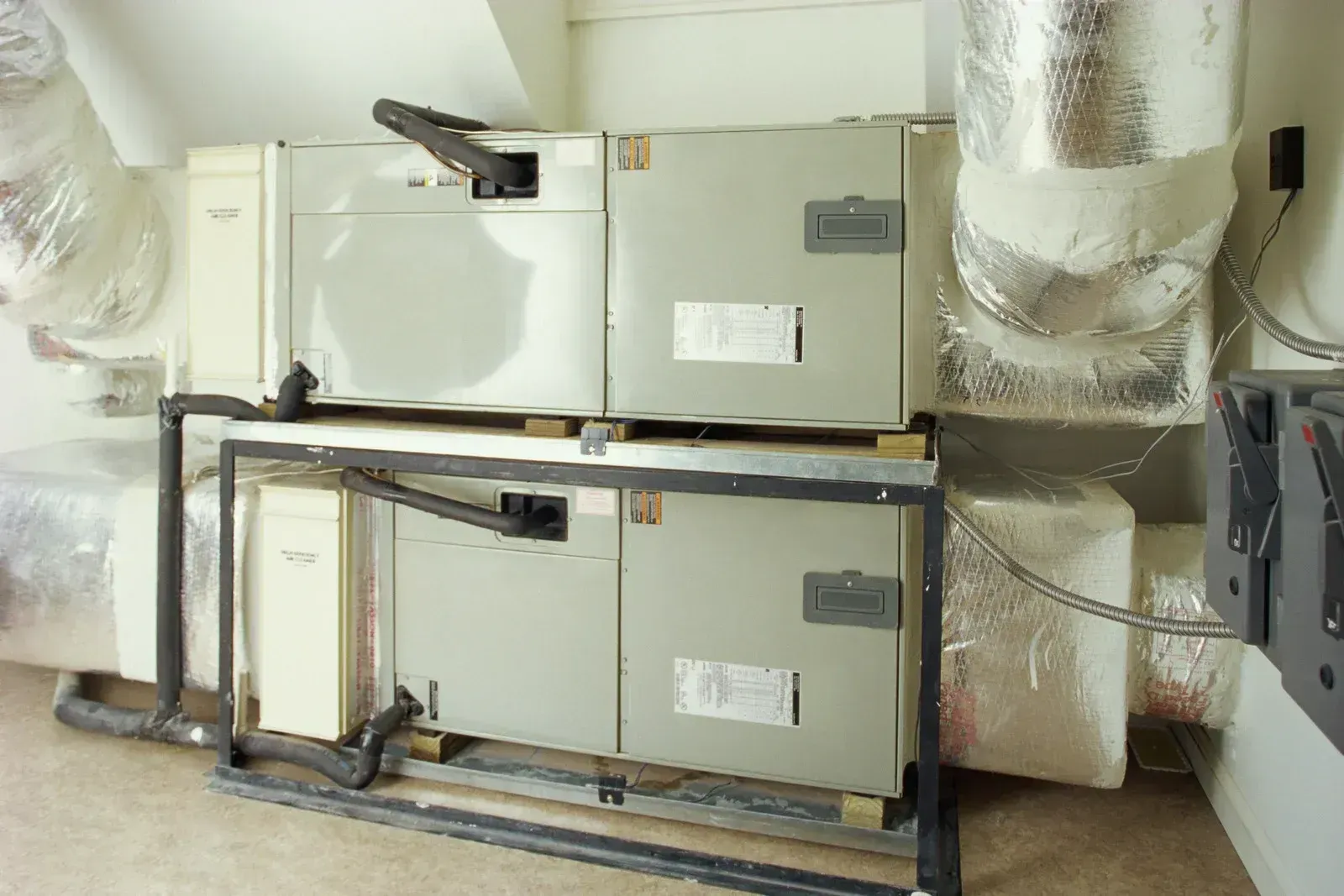
A furnace is the heart of a home’s heating system, responsible for maintaining warmth and comfort during cold months. When functioning properly, it operates efficiently, consuming only the energy necessary to sustain a consistent indoor temperature. However, furnaces are complex systems, and even minor malfunctions can disrupt their performance, leading to elevated energy consumption and higher utility costs. Understanding the link between furnace efficiency and energy bills is critical for homeowners and property managers seeking to maintain both comfort and financial control.
Malfunctioning furnaces often go unnoticed until significant energy spikes or inconsistent heating reveal underlying problems. Issues such as clogged filters, worn components, or faulty thermostats can cause furnaces to work harder than necessary, burning more fuel to achieve desired temperatures. This inefficiency not only increases monthly energy bills but also accelerates wear and tear, potentially shortening the system’s lifespan. By identifying the causes and impacts of furnace malfunctions, it becomes possible to implement proactive maintenance strategies. Doing so not only stabilizes energy expenses but also improves overall home comfort and system reliability, highlighting the importance of attentive furnace care in residential and commercial settings.
1. Common Furnace Malfunctions That Increase Energy Bills
Clogged Air Filters and Restricted Airflow
Dirty or clogged air filters are one of the most frequent causes of furnace inefficiency. Air filters capture dust, allergens, and debris, preventing them from circulating through the home. Over time, accumulated particles restrict airflow, forcing the furnace to operate longer to maintain the set temperature. This increased runtime consumes more electricity or gas, directly impacting energy bills. Regular filter inspections and replacements are essential to maintain optimal airflow and prevent excessive energy use.
Faulty Thermostat Operation
A malfunctioning thermostat can cause a furnace to cycle on and off irregularly or maintain incorrect temperatures. If the thermostat fails to accurately sense indoor conditions, the furnace may run longer than necessary, heating rooms unnecessarily and increasing energy costs. Upgrading to a modern, programmable thermostat can enhance efficiency by ensuring the furnace operates only when needed, reducing both energy consumption and wear on the system.
Ignition and Burner Problems
Issues with the furnace’s ignition system or burners can lead to incomplete combustion or frequent cycling. Incomplete combustion wastes fuel and reduces heat output, forcing the furnace to work harder to reach the desired temperature. Regular inspections and timely repairs of burners and ignition components improve heating efficiency and prevent unnecessary spikes in energy bills.
2. Energy Wastage from Inconsistent Heating
Uneven Home Temperatures
A malfunctioning furnace often produces inconsistent heat, resulting in hot and cold spots throughout the home. Rooms far from the furnace may remain underheated, prompting residents to increase the thermostat setting. This adjustment causes the furnace to operate longer, consuming more energy than necessary. Proper balancing of ductwork and routine system calibration can eliminate temperature disparities and reduce excess energy use.
Short Cycling
Short cycling occurs when a furnace turns on and off frequently without completing a full heating cycle. This can happen due to oversized furnaces, thermostat issues, or airflow restrictions. Each start-up consumes more energy than continuous operation, making short cycling a costly inefficiency. Diagnosing and correcting the root cause ensures longer heating cycles and reduced energy consumption, ultimately lowering monthly utility bills.
Continuous Running
In some cases, a furnace may run continuously without reaching the set temperature, often due to mechanical wear or airflow obstructions. Continuous operation consumes fuel at a constant rate, significantly increasing energy expenses. Timely maintenance, including inspection of belts, motors, and ductwork, can prevent prolonged furnace operation and optimize energy use.
3. Impact of Aging Components on Efficiency
4. Real-World Scenarios and Energy Implications
Scenario 1: Neglected Air Filter
A family in a suburban home neglects air filter replacements for several months. The furnace struggles to circulate air, running longer to reach the thermostat setting. Monthly gas consumption spikes by 15–20%, translating to noticeably higher energy bills. Once the filter is replaced, the system regains efficiency, reducing monthly energy costs by nearly the same percentage.
Scenario 2: Faulty Thermostat in an Older Home
In an older residence, a thermostat fails to register accurate indoor temperatures. The furnace cycles on and off multiple times per hour, consuming excessive electricity. Upgrading to a programmable thermostat restores proper cycling and allows scheduling based on occupancy, reducing energy use by up to 25% in winter months.
Scenario 3: Duct Leakage in a Multi-Level House
A multi-level home with outdated ductwork experiences heat loss during circulation. Heated air escapes through leaks, and the furnace compensates by operating longer. Energy bills increase significantly. After duct sealing and insulation improvements, the furnace runs fewer cycles, and heating costs decrease. These scenarios highlight how even minor malfunctions create tangible financial impacts, reinforcing the importance of preventative maintenance.
5. Best Practices to Optimize Furnace Efficiency
Regular Maintenance and Professional Inspections
Scheduling annual furnace inspections ensures components operate correctly and safely. A qualified professional can identify early signs of wear, clean burners, lubricate motors, and verify heat exchanger integrity. Preventative maintenance reduces the likelihood of energy-wasting malfunctions and extends system longevity.
Filter Replacement Schedule
Establishing a consistent filter replacement routine prevents airflow restrictions. Depending on usage and filter type, monthly or quarterly replacement can maintain efficiency. High-efficiency filters may last longer but should still be monitored regularly.
Thermostat Upgrades and Programming
Modern thermostats with programmable schedules or smart features optimize energy consumption by adjusting temperatures based on occupancy and daily routines. Smart thermostats can be remotely controlled, providing additional efficiency and cost savings.
Ductwork and Vent Inspection
Regular inspection of ducts and vents ensures air distribution is even and leak-free. Sealing leaks, cleaning dust buildup, and insulating ducts reduces heat loss, decreases furnace runtime, and lowers energy bills.
Addressing System Age and Component Wear
Recognizing when components or the furnace itself is nearing the end of its service life is essential. Replacing worn motors, burners, or the entire furnace with energy-efficient models can produce immediate energy savings. Investing in updated technology often pays off through reduced utility bills and improved reliability.
6. Understanding Long-Term Cost Implications
Rising Energy Bills as a Symptom
Increasing energy costs may indicate underlying furnace problems. Tracking monthly utility usage helps identify anomalies that suggest inefficiency. Early detection allows corrective measures before minor issues escalate into expensive repairs or replacements.
Preventative Measures vs. Emergency Repairs
Routine maintenance and timely minor repairs are typically more cost-effective than emergency replacements caused by complete system failure. Energy-efficient furnaces and well-maintained components deliver consistent heat with lower fuel consumption, preventing budgetary surprises during peak heating seasons.
Environmental Considerations
Malfunctioning furnaces consume more energy, contributing to higher carbon emissions and environmental impact. Optimizing furnace performance not only saves money but also supports sustainability by reducing energy waste and lowering greenhouse gas output.
Home Comfort and Value
A properly functioning furnace maintains consistent indoor temperatures, enhancing comfort and protecting property value. Homes with efficient heating systems are more attractive to potential buyers, adding long-term financial benefits alongside immediate energy savings.
Dependable Heating Maintenance from
JS Air Conditioning
Maintaining a furnace in optimal condition directly impacts energy efficiency, monthly utility bills, and overall home comfort. Malfunctions such as clogged filters, faulty thermostats, worn components, or leaky ducts force the system to work harder, consuming more fuel and increasing operational costs. Addressing these issues through regular maintenance, timely repairs, and upgrades improves efficiency, extends equipment lifespan, and stabilizes energy expenses. By taking proactive steps, it is possible to prevent costly inefficiencies and enhance indoor comfort throughout the heating season.
For over 30
years, JS Air Conditioning
in Galveston, Texas, has delivered reliable HVAC solutions with a focus on energy efficiency and system performance. With extensive experience in
furnace maintenance, repair, and replacement, we provide expert guidance tailored to each home’s unique needs. Our commitment to professional service, preventative care, and energy-conscious solutions ensures clients receive maximum value while keeping energy bills manageable. Trust JS Air Conditioning
for dependable, long-term comfort and cost-effective heating solutions in every home.