Signs Your AC Needs Repair Before Summer Hits
December 29, 2025
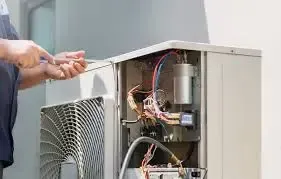
As summer approaches, homeowners across the country start relying heavily on their air conditioning systems to maintain comfort during rising temperatures. However, many AC units show subtle signs of distress long before they break down completely, and ignoring these warning signals can lead to costly repairs or complete system failure. Understanding these early indicators is crucial, not just to maintain comfort but to protect your home and ensure energy efficiency. This guide will help homeowners recognize the most common signs that their AC needs attention, so they can take proactive measures before the heat of summer arrives.
Recognizing the early warning signs of AC issues can save homeowners both money and stress. A malfunctioning air conditioner doesn’t just affect indoor comfort; it can also drive up energy bills and potentially damage other components of the HVAC system. By learning to identify problems early—whether it’s unusual noises, uneven cooling, or strange odors—homeowners can schedule timely repairs, extend the lifespan of their system, and avoid emergency breakdowns. This comprehensive guide will outline the key symptoms, explain why they occur, and provide actionable advice to keep your AC running efficiently when it’s needed most.
1. Unusual Noises from Your AC Unit
Rattling and Banging
If your air conditioner begins producing rattling or banging sounds, it may indicate loose or damaged components. Over time, screws and bolts can loosen, or internal parts may wear out, causing metal or plastic pieces to collide during operation. Ignoring these noises can lead to more serious mechanical failures, including compressor damage. Regularly listening for changes in sound can help homeowners catch problems before they affect the overall system performance. Even small noises, if left unchecked, can result in larger repair costs down the line.
Hissing or Bubbling Sounds
Hissing noises often indicate refrigerant leaks, which not only reduce cooling efficiency but can also harm the environment. Bubbling sounds might signal water leakage or blocked drainage lines. Detecting these early can prevent costly repairs and maintain system performance. Timely attention can also protect indoor air quality, as refrigerant leaks or water buildup may contribute to mold growth or other environmental hazards.
Expert Tip: Regular maintenance checks can identify these issues before they escalate. If you hear unfamiliar sounds, schedule a professional inspection immediately, and keep a log of when the sounds occur to help technicians diagnose the problem efficiently.
2. Reduced Cooling Efficiency
Inconsistent Temperature Across Rooms
If some rooms feel warmer than others despite the thermostat being set at a consistent temperature, this may indicate airflow problems or ductwork leaks. Blocked vents, dirty filters, or damaged ducts can all compromise efficiency. Uneven cooling can also signal that your AC is struggling to handle the load due to age or insufficient capacity. Addressing these problems early ensures every room in your home stays comfortable, avoiding hot spots during extreme temperatures.
Longer Cooling Cycles
An AC that runs longer than usual to reach the desired temperature often struggles with low refrigerant levels or a failing compressor. Extended run times not only increase energy costs but also put extra strain on the system. This constant overworking can shorten the lifespan of critical components, potentially leading to sudden breakdowns during the peak summer months.
Real-World Example: Homeowners who notice a 10–15% increase in energy bills compared to last summer may be experiencing hidden AC inefficiencies. Early detection and repair can prevent a complete system breakdown during peak heat, saving both money and stress.
3. Strange Odors
Burning or Electrical Smells
Burning odors may indicate overheating electrical components or failing wiring, while a plastic-like smell could suggest motor or capacitor issues. Immediate attention is crucial to prevent potential fire hazards. Detecting electrical issues early can save homeowners from dangerous situations and costly repairs that arise from damaged components.
Best Practice: Replace filters regularly and have ducts professionally cleaned. If odors persist, call a certified HVAC technician to inspect the system. Proper preventative maintenance can also minimize the risk of electrical faults and extend your AC’s life.
4. Water Leaks or Excess Condensation
Pooled Water Near the Unit
Water collecting around the indoor unit is often caused by clogged condensate drains. Over time, dirt and debris can block drainage lines, causing water to overflow. This can damage flooring, walls, or even furniture if not addressed promptly. Regular inspections and cleaning of the drain lines help prevent leaks and keep your system running efficiently.
Ice Formation on Coils
Ice buildup on the evaporator coil can occur due to low refrigerant levels, dirty filters, or restricted airflow. When ice melts, it can lead to leaks and water damage inside your home. Ice accumulation is often a sign that the system is overworked and may require professional servicing to restore proper functionality.
Challenge for Homeowners
Small leaks may seem minor, but persistent moisture can damage walls, flooring, and ceilings, creating expensive repairs. Timely professional intervention prevents long-term structural problems and maintains your home’s overall comfort and safety.
5. Frequent Cycling or Short-Cycling
AC Turns On and Off Too Often
Short-cycling occurs when the AC turns on and off rapidly, which may indicate an oversized system, thermostat issues, or refrigerant problems. Frequent cycling reduces efficiency and accelerates component wear. This can lead to higher energy bills and puts unnecessary stress on the compressor and electrical components, shortening the system’s lifespan.
Uneven Cooling and Hot Spots
Systems that short-cycle may fail to maintain consistent temperatures, leaving rooms hotter than desired. This is especially noticeable during extreme summer days when cooling demand is high. Over time, this inefficiency can compromise comfort and increase the likelihood of unexpected breakdowns.
Expert Insight: Thermostat calibration, refrigerant level checks, and regular maintenance can resolve short-cycling issues and prevent premature system failure. Following a structured maintenance schedule ensures consistent cooling performance and lowers long-term repair costs.
6. Rising Energy Bills
Energy Inefficiency Indicators
Older units or poorly maintained systems tend to have lower SEER ratings, meaning they require more power to cool effectively. Upgrading or repairing components can significantly reduce energy costs over time. Tracking changes in energy usage can also help homeowners identify inefficiencies before they become costly problems.
Practical Advice: Track your energy bills monthly. Noticing a steady increase compared to previous years can alert you to potential AC problems before a complete breakdown occurs. Early action preserves efficiency and ensures comfort during the hottest months.
7. Thermostat and Control Issues
Frequent Manual Adjustments Needed
Constantly adjusting the thermostat to maintain comfort is a red flag. The system may struggle with temperature regulation due to airflow restrictions, compressor wear, or control board issues. Malfunctioning thermostats can also result in uneven cooling and higher energy costs.
Solution: Consider upgrading to a smart thermostat and schedule professional diagnostics to identify underlying problems that may not be immediately visible. Smart thermostats provide better control, energy efficiency, and early warnings of system issues.
8. Age and Wear of the AC System
Benefits of Pre-Summer Inspection
Scheduling a pre-summer inspection allows technicians to identify worn parts, recharge refrigerant, and clean coils before the peak cooling season. This proactive approach reduces emergency repair risks and ensures consistent performance. It also gives homeowners the chance to budget for future replacement if the system shows signs of significant wear.
Industry Insight: Older systems may benefit more from replacement than repair, especially if repairs are frequent or costs accumulate beyond 50% of a new unit’s price. Investing in a newer, more efficient unit often provides better comfort, reliability, and long-term savings.
Experienced Professionals Protect Homes From AC Failures
Being proactive with air conditioning maintenance is crucial to avoid uncomfortable and costly situations during summer. Recognizing the early signs of trouble—such as unusual noises, reduced efficiency, water leaks, strange odors, thermostat issues, or rising energy bills—enables homeowners to address problems before they escalate. Regular inspections and timely repairs not only extend the life of your AC but also maintain optimal performance and energy efficiency, saving both money and stress.
For homeowners in Galveston, Texas, JS Air Conditioning
has been a trusted authority in
HVAC repair and maintenance for 30
years. With decades of experience, the company combines technical expertise with a commitment to customer satisfaction. From diagnosing subtle system issues to performing comprehensive repairs, JS Air Conditioning
ensures your home remains cool, comfortable, and safe throughout the summer months. Choosing a seasoned, local expert provides peace of mind, knowing that your AC system is in capable hands and ready to handle the season’s heat efficiently.