Common Furnace Problems That Homeowners Overlook
March 17, 2026
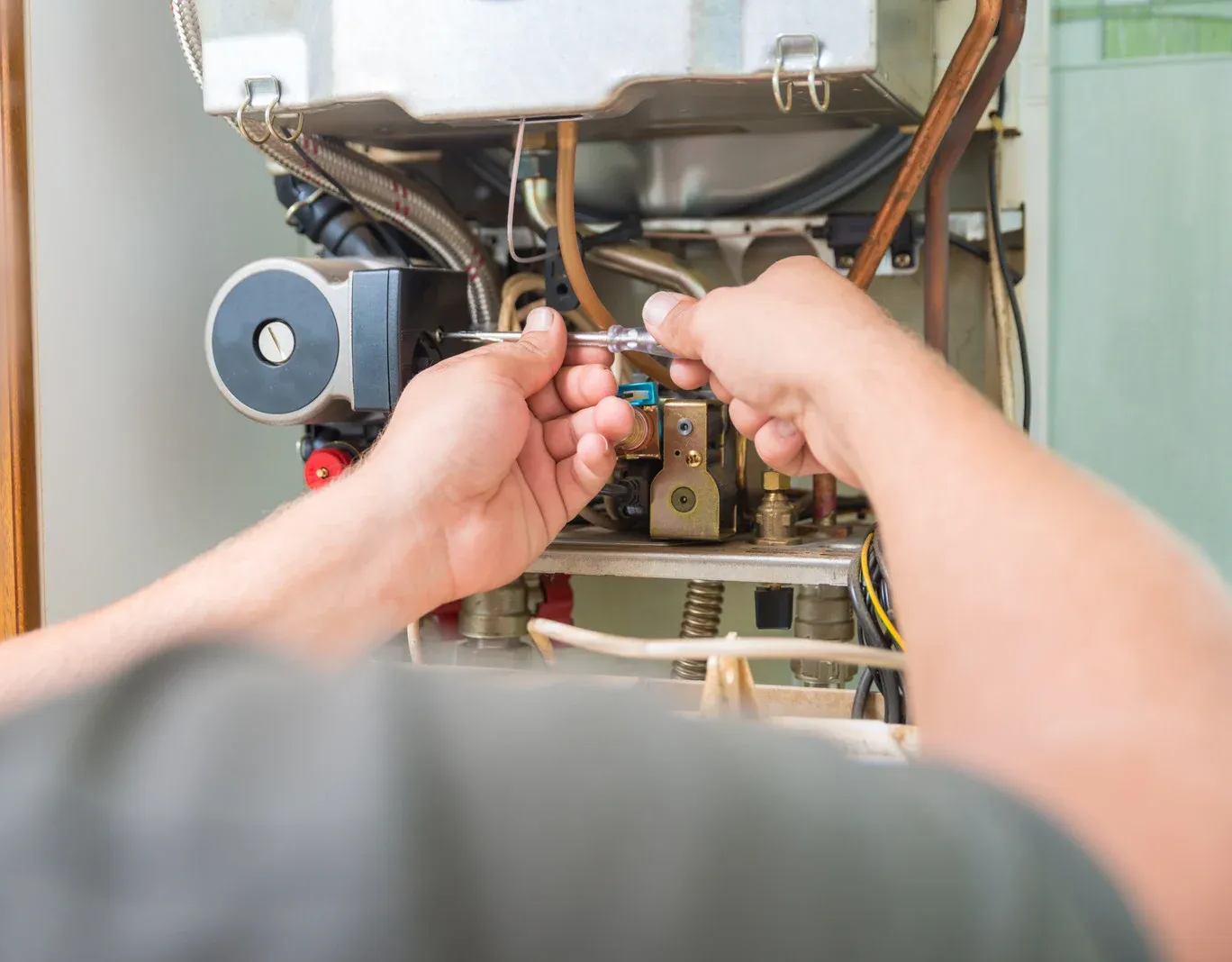
A well-functioning furnace is the backbone of a comfortable home during the colder months. For many homeowners, a furnace is out of sight and out of mind until a noticeable problem arises. Yet, many furnace issues start subtly and escalate over time, leading to costly repairs, inefficient heating, or even complete system failure. Understanding the common problems that often go unnoticed can empower homeowners to maintain their systems proactively, ensuring consistent warmth and energy efficiency throughout the winter season.
Furnace maintenance is not just about avoiding sudden breakdowns—it’s also about improving safety, reducing energy bills, and extending the life of the equipment. From minor airflow issues to complex mechanical malfunctions, there are several signs that indicate underlying problems that require attention. Unfortunately, many of these issues are overlooked because they do not immediately disrupt comfort. By recognizing early warning signs and implementing regular preventive measures, homeowners can prevent small issues from turning into significant hazards. This guide explores the most common furnace problems that are frequently overlooked, providing actionable insights for timely detection and maintenance. Whether you are a first-time homeowner or experienced in property upkeep, understanding these furnace issues is crucial to maintaining a safe and efficient home.
1. Dirty or Clogged Air Filters
The Role of Furnace Filters
Furnace filters are the first line of defense against dust, allergens, and debris, keeping your home’s air clean and healthy. They ensure that air circulating through your home remains clean while protecting the internal components of the furnace from damage. Over time, these filters accumulate dirt, reducing airflow and forcing the furnace to work harder than intended. The result is increased energy consumption, uneven heating, and additional strain on the system’s internal parts.
Signs of Neglect
Many homeowners overlook the importance of inspecting and replacing air filters regularly, which can lead to serious issues over time. Common indicators of a dirty filter include unusually dusty rooms, rising energy bills, and inconsistent heating throughout the house. While it may seem minor initially, a clogged filter can cause strain on the blower motor, leading to premature wear, overheating, and even potential system failure if left unaddressed.
Best Practices for Maintenance
Experts recommend checking furnace filters monthly during peak usage seasons and replacing them at least every three months to maintain optimal performance. For households with pets, children, or high dust levels, more frequent replacements may be necessary to avoid air quality problems. Using high-quality HEPA filters can improve indoor air quality while protecting your furnace from debris and buildup. Regular attention to filters is a simple yet highly effective way to prevent overlooked furnace problems before they escalate.
2. Ignition and Pilot Control Issues
Understanding the Ignition System
Modern furnaces typically use an electronic ignition system, while older models rely on a pilot light for starting. Both systems are critical for starting and maintaining the combustion process safely and efficiently. When these components malfunction, the furnace may fail to start, produce inconsistent heat, or create dangerous gas buildup, which can compromise home safety significantly.
Common Malfunctions
Pilot lights can go out due to drafts, dirt, or interruptions in the gas supply, creating an unreliable heating system. Electronic ignitions may fail because of faulty sensors, wiring issues, or worn-out components that affect performance. Homeowners often ignore minor flickering or delayed ignition, but these symptoms can indicate deeper mechanical problems that compromise efficiency, safety, and long-term furnace reliability.
Proactive Solutions
Routine inspections by a licensed HVAC technician can identify ignition system weaknesses before they escalate into costly repairs or emergencies. Cleaning the pilot light assembly, ensuring proper gas flow, and testing electronic ignitions are standard maintenance tasks that prevent overlooked failures. Addressing these issues promptly helps avoid emergency repairs and ensures reliable furnace operation during cold months, maintaining both safety and comfort consistently.
3. Uneven Heating and Airflow Problems
4. Strange Noises and Mechanical Wear
Identifying Warning Sounds
Furnaces are generally quiet machines, so unusual sounds should never be ignored as they often signal underlying issues. Rattling, banging, or squealing noises frequently indicate mechanical wear, loose components, or alignment problems. Bearings, belts, and motors are particularly susceptible to wear over time, and neglecting early warning sounds can lead to costly repairs or system failure.
Real-World Examples
A homeowner may hear a consistent squeal each time the furnace starts, pointing to a failing blower motor bearing that needs immediate attention. Similarly, a hammering or popping sound could indicate expanding and contracting metal ducts, delayed ignition, or other mechanical issues that signal potential safety hazards and energy inefficiency.
Preventive Measures
Regular maintenance that includes lubricating moving parts, tightening fasteners, and inspecting belts can prevent small noises from escalating into expensive repairs or emergency breakdowns. Recording when and where noises occur helps technicians diagnose issues more accurately, allowing for targeted repairs before major damage occurs. Preventive attention saves both time and unnecessary financial strain on homeowners.
5. Thermostat Malfunctions
The Role of Thermostats
A furnace relies on an accurate thermostat to regulate temperature efficiently, maintaining consistent home comfort. Malfunctions can cause the furnace to run excessively, fail to reach desired temperatures, or cycle improperly, leading to higher energy bills and uneven heating throughout the house.
Common Oversights
Many homeowners assume uneven heating is solely the furnace’s fault, overlooking the thermostat as the potential culprit in temperature issues. Dead batteries, outdated models, or miscalibrated sensors can all disrupt the heating cycle. Ignoring these signs often leads to unnecessary strain on the furnace system, increased energy costs, and reduced overall efficiency.
Effective Solutions
Replacing batteries regularly, upgrading to programmable or smart thermostats, and calibrating sensors are effective ways to prevent overlooked thermostat issues. Proper thermostat management ensures optimal furnace performance, energy efficiency, and extended system lifespan while providing consistent comfort to every room in the home.
6. Gas Supply and Venting Concerns
Importance of Proper Venting
Gas furnaces rely on correct airflow for combustion and safe exhaust, which is essential for both efficiency and safety. Improper venting can cause dangerous carbon monoxide buildup, inefficient heating, and frequent shutdowns. Homeowners may not notice subtle odors, minor fluctuations in performance, or color changes in flames, assuming they are normal.
Recognizing Early Warning Signs
Yellow flames instead of blue, unusual odors, and frequent cycling are clear indicators of potential gas supply or venting issues. Ignoring these symptoms can pose serious health risks, including carbon monoxide poisoning, and should never be overlooked by homeowners to maintain safety and compliance with regulations.
Best Practices for Safety
Regular inspections by certified HVAC technicians are essential to ensure proper gas flow, venting integrity, and combustion efficiency. Installing carbon monoxide detectors near furnace areas and ensuring proper ventilation are crucial safety measures. Preventive maintenance not only protects your home but also maximizes furnace efficiency, comfort, and longevity of the heating system over the long term.
Reliable Furnace Maintenance From Proven HVAC Professionals
Furnaces are essential to maintaining a safe and comfortable home environment, yet many homeowners inadvertently overlook common problems that compromise performance and safety. From dirty air filters and uneven heating to ignition malfunctions, strange noises, thermostat issues, and gas supply concerns, early detection is key. By understanding the subtle signs of furnace issues, homeowners can address problems proactively, reduce repair costs, and extend the life of their heating systems. Regular inspections, preventive maintenance, and attention to airflow and mechanical components are fundamental to ensuring consistent comfort and energy efficiency.
For homeowners in Galveston, Texas, trust and expertise are critical when addressing furnace issues. JS Air Conditioning
is a seasoned HVAC contractor with 30
years of experience in providing comprehensive heating and cooling solutions. Our team offers thorough
furnace inspections, timely maintenance, and expert repairs designed to prevent overlooked problems before they escalate. With a commitment to safety, reliability, and efficiency, JS Air Conditioning
ensures that your home stays warm and comfortable while your heating system operates at peak performance. Our proven track record and personalized service make us a trusted partner for homeowners seeking lasting furnace solutions.