AC Short Cycling On and Off All Afternoon? What's Triggering It
October 16, 2026
Key Components and Their Functions
Quick Answer: An AC that short cycles is starting and stopping again after only a few minutes instead of finishing a normal cooling cycle. A healthy system generally runs somewhere around 15 to 20 minutes at a time in typical summer weather, and during a real heat wave it may run for hours with only brief breaks. When cycles shrink to a handful of minutes, the usual triggers are a restricted air filter or dirty evaporator coil, a thermostat reading the wrong temperature, a system that is too large for the space, low refrigerant, or an electrical safety control shutting the compressor down. Each of these forces the compressor through frequent hard starts, which is the most punishing thing it does. The safe first step is checking the filter and the thermostat location, then calling a technician if the pattern continues.
It is two in the afternoon, the sun is on the west side of the house, and you notice the AC has kicked on again. You were sure it just shut off. You listen for a while and the pattern repeats: a few minutes of cooling, a click, silence, then the outdoor unit hums back to life. The house never really gets comfortable, the air feels clammy, and the system seems busy without accomplishing much. For a Galveston County homeowner, this is a familiar and frustrating routine, and it is worth taking seriously because the unit is working harder than it looks.
What Short Cycling Actually Is
An air conditioner is designed to run long enough to pull heat and moisture out of the house, then rest until the thermostat calls for more. A cycle that finishes its job lasts several minutes at the very least, and on a typical summer day it often runs closer to fifteen or twenty minutes, two or three times an hour. Short cycling is when the system shuts off well before it has finished that job, then restarts almost right away.
Short Cycling Is Not The Same As Running Constantly
Running for hours during heat waves can be normal. Starting and stopping every three or four minutes usually signals another underlying problem.
Why The Length Of The Cycle Matters
Compressors draw maximum electrical current during startup. Frequent cycling increases wear on the compressor, capacitor, and contactor, potentially shortening equipment lifespan.
The Most Common Triggers Behind the Pattern
A Restricted Air Filter Or Dirty Evaporator Coil
Restricted airflow from a clogged filter or dirty evaporator coil can cause freezing or overheating. Safety controls shut equipment down, then allow restarting after temperatures recover. Replacing overdue filters is the easiest troubleshooting step.
A Thermostat That Is Reading The Wrong Temperature
A thermostat exposed to sunlight, nearby supply vents, or kitchen heat may misread indoor conditions. Weak batteries or loose wiring can also trigger premature shutdowns, leaving other rooms uncomfortable while the system repeatedly restarts.
A System That Is Too Large For The Space
Oversized equipment cools the thermostat area quickly and shuts off before completing a proper cycle. Poor humidity removal often leaves rooms feeling sticky. A technician can assess whether equipment sizing matches the home's cooling requirements.
Low Refrigerant
Low refrigerant causes abnormal operating pressures, potentially triggering safety switches that stop the compressor temporarily. Refrigerant should not be consumed during normal operation, so a low charge indicates a leak that requires professional diagnosis and repair.
An Overheating Outdoor Unit
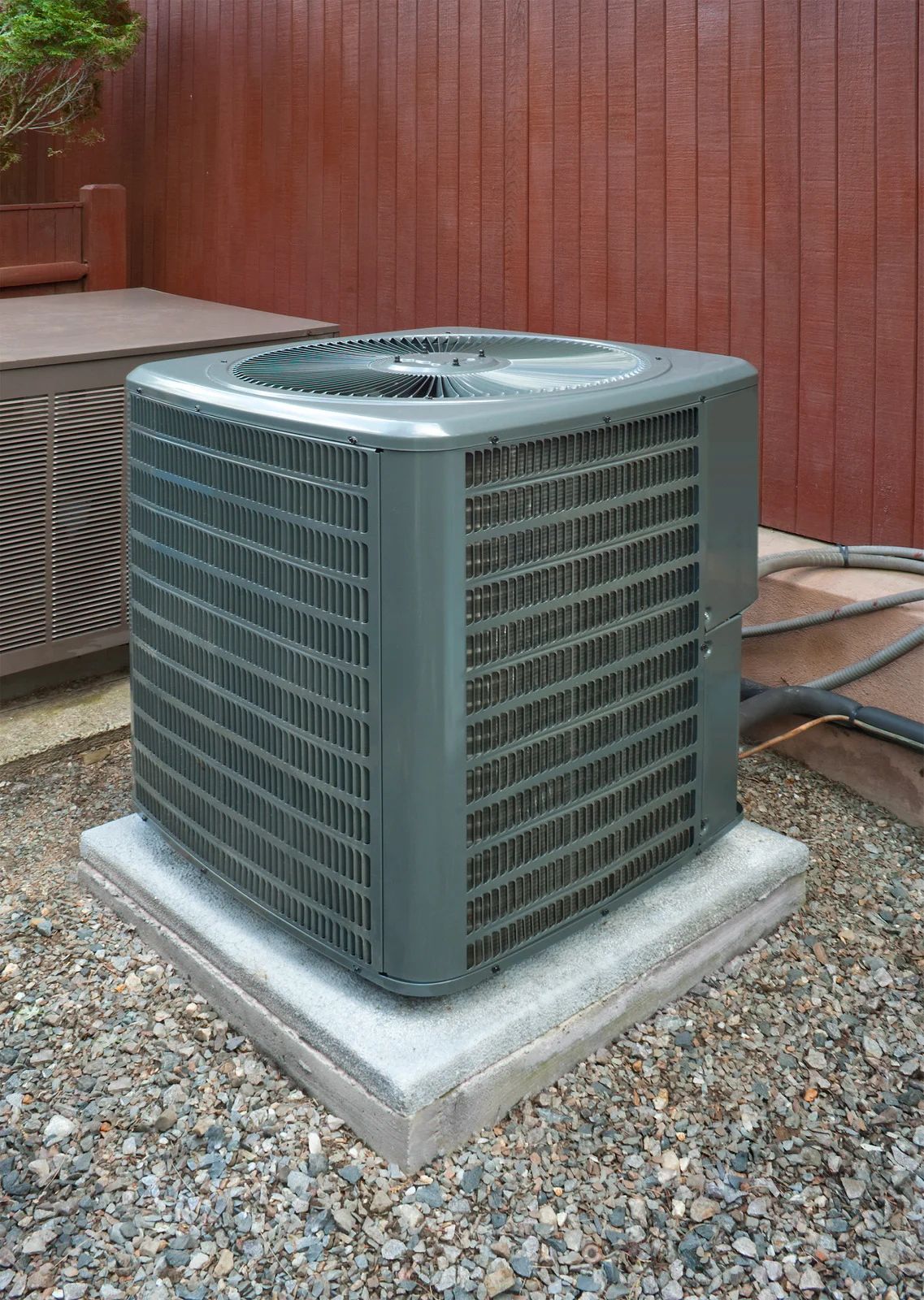
Grass clippings, dirt, cottonwood fluff, or salt residue can block the outdoor coil and prevent proper heat release. Rising pressure triggers protective shutdowns. Coastal environments may accelerate buildup, making regular professional cleaning particularly important.
Electrical Components On Their Way Out
A failing capacitor, worn contactor, or faulty relay can prevent motors from starting reliably or cause unexpected shutdowns. These components often deteriorate gradually, making unusual cycling more noticeable during periods of heavy cooling demand.
Why Galveston County Makes Short Cycling More Likely
Gulf Coast air is heavy with moisture, so a system here is not only lowering the temperature, it is also removing a large amount of water from the air. That job needs long, steady run times. When an AC short cycles, it cools just enough to quiet the thermostat but never runs long enough to dry the air, and you end up with a house that is a little cooler and a lot stickier than it should be.
Salt air adds a second pressure. Outdoor coils, wiring connections and capacitors near the water corrode faster than they do inland, and a corroded connection can cause an intermittent electrical fault that looks exactly like short cycling. After a storm or a power surge, controls and capacitors can also be weakened in ways that do not show up until the system is under load.
Tip: Before calling anyone, pull the filter and hold it up to a light. If you cannot see light through it, replace it and note the time. Then watch the unit for the next hour. If the cycles lengthen to ten minutes or more, airflow was most of the problem. If they stay short, the cause is elsewhere in the system and worth a professional look.
Quick Checks You Can Safely Do Yourself
Some of the causes above need a technician, but a few take only a few minutes and can either solve the problem or give you useful information to pass along.
Check The Filter And The Return Vents
Replace dirty filters, clear blocked return grilles, and open closed supply vents to restore proper airflow throughout the system.
Look At The Thermostat
Confirm cooling mode and reasonable settings. Replace dim-display batteries and check whether sunlight or nearby vents affect temperature readings.
Look At The Outdoor Unit
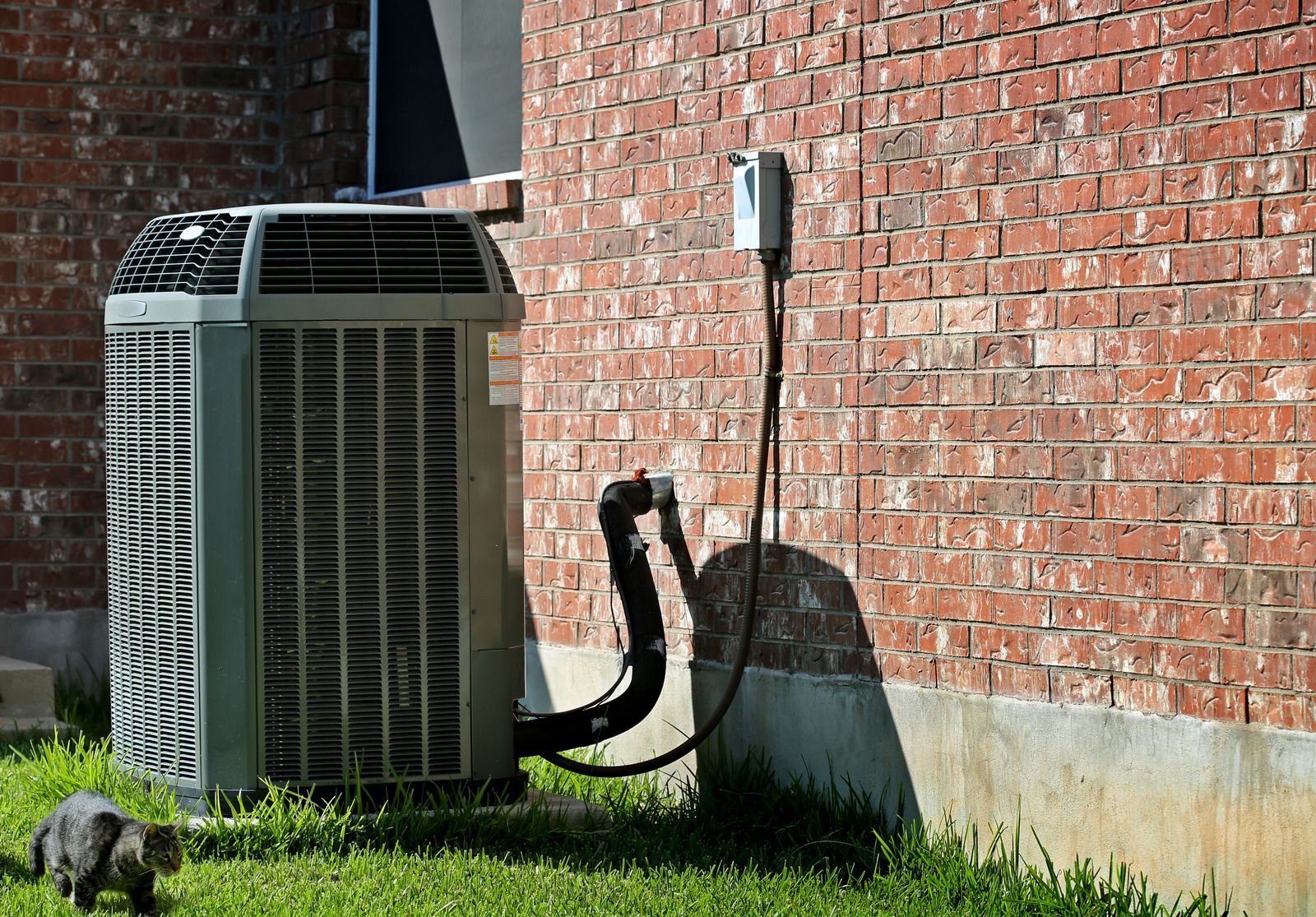
With power disconnected, check for debris against the fins. Keep plants and fencing several feet away for airflow.
Check The Condensate Drain
Standing water in the drain pan may indicate a clogged line triggering the float switch and repeatedly shutting down cooling.
Reset The System Once
Turn the thermostat off briefly, then restart. If short cycling returns quickly, stop repeated resets and arrange professional inspection.
What a Technician Looks For
Short cycling is a symptom with several possible sources, so a good visit works through the system in order rather than swapping parts based on a guess.
Airflow And Coil Condition
The technician inspects filters, blowers, indoor coils, and ductwork for restrictions, then measures airflow against the system's designed operating requirements.
Pressures And Temperatures
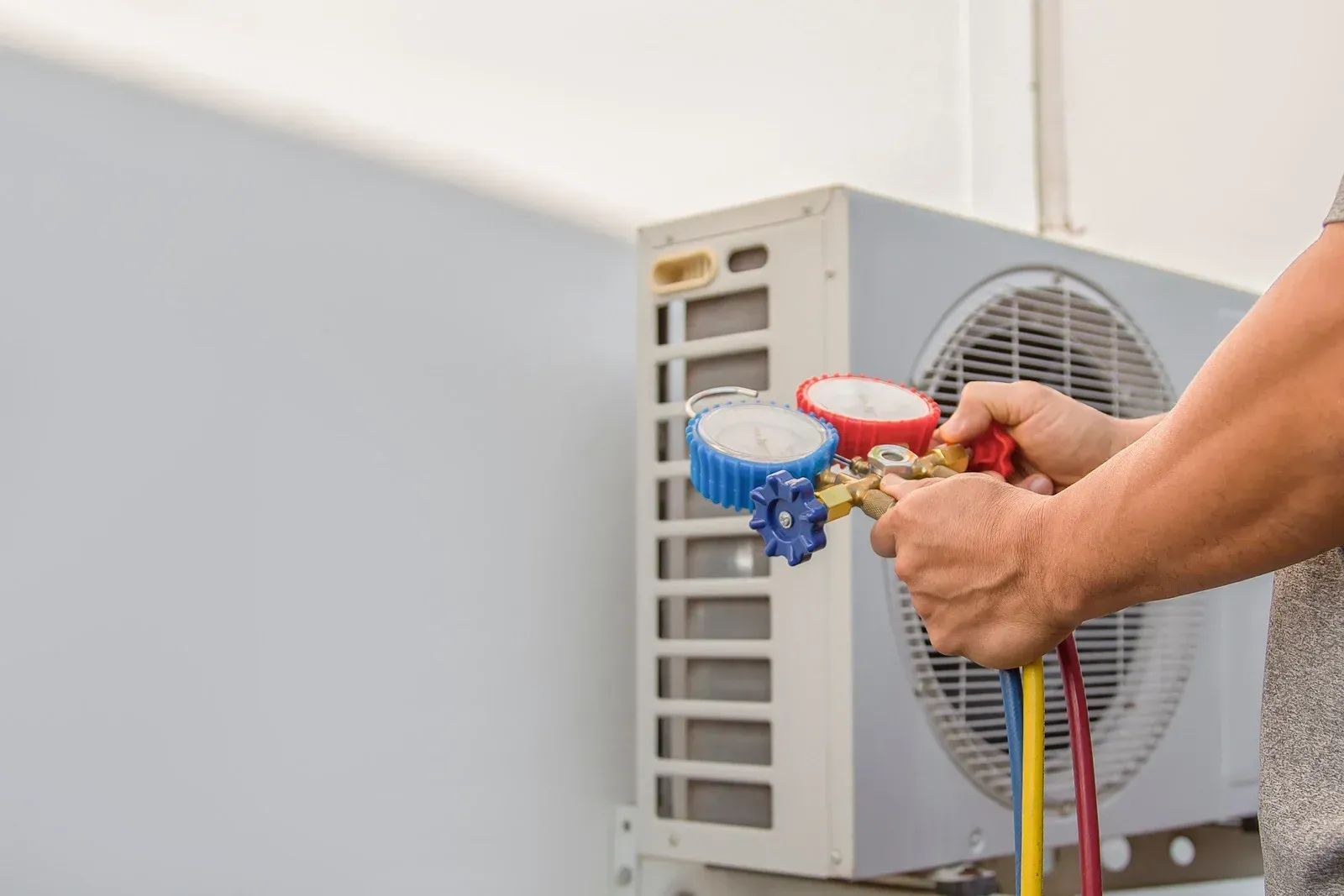
Gauges reveal refrigerant charge and pressure switch activity. Low readings suggest leaks, while high readings indicate condenser airflow problems or overcharging.
Electrical Testing
Capacitors, contactors, relays, and wiring connections undergo load testing because components may perform normally at rest but fail during operation.
Thermostat Location And Wiring
The technician checks thermostat placement, wiring, and signals to confirm cooling cycles match the equipment's actual operation and temperature conditions.
System Sizing
If other components pass inspection but cycling continues during mild weather, the technician evaluates whether equipment capacity matches the home's cooling requirements.
Warning: Do not bypass a safety switch or jumper a control to keep the system running. Those switches exist to stop the compressor before it is damaged, and defeating one can turn a minor repair into a failed compressor.
Key Components and Their Functions
What Happens If You Keep Ignoring It
It is tempting to live with a system that still cools, even if it does so in short bursts. The trouble is that short cycling tends to get worse, not better. Each hard start stresses the compressor, capacitor and contactor, so a minor issue that could have been corrected early gradually becomes a failed component. The humidity that lingers in the house also invites musty odors and, over time, mold growth in damp spots.
Energy use rises too, because starting equipment draws more power than running it. You may notice that the system seems to be working constantly without ever making the house feel right, and that is usually the signal that the cycles have stopped doing useful work.
Frequently Asked Questions
How long should my AC run before it shuts off?
In typical summer weather, a healthy system often runs around fifteen to twenty minutes per cycle. On very hot days it may run for much longer with only short breaks. A cycle of only a few minutes, repeated over and over, is the pattern that deserves attention.
Is short cycling dangerous for my AC?
It is hard on the equipment. Frequent starts put the greatest stress on the compressor, capacitor and contactor, so a system that short cycles for weeks tends to wear out its parts sooner. Catching the cause early usually keeps the repair small.
Can a dirty filter really cause my AC to turn on and off?
Yes. A restricted filter cuts airflow, which can cause the coil to get too cold or the system to overheat, and a safety control may shut the equipment down. Replacing the filter is the easiest first step and often changes the pattern right away.
Why does my house feel humid when the AC keeps cycling?
Removing moisture takes long, steady run time across the cold coil. When the system stops after a few minutes, it cools the air but leaves much of the moisture behind, which is why a short cycling system often feels clammy in a humid Gulf Coast climate.
Could my thermostat be the problem?
Very possibly. A thermostat in direct sun, beside a vent or on a wall with a draft can read a temperature that does not match the rest of the house and shut the system off early. Weak batteries or a loose wire can also cause erratic behavior.
When should I call a professional for a short cycling AC?
Call if the pattern continues after you replace the filter and check the thermostat and outdoor unit, if the system trips again right after a reset, or if you notice ice, unusual noises, a burning smell or water around the indoor unit. In a heat wave, do not wait.
Short Cycling Is a System Asking for Attention
A short cycling AC is rarely a mystery once the right things are checked in the right order. Sometimes the answer is as simple as a filter or a thermostat in the wrong spot. Other times it is a weak capacitor, a refrigerant leak, or a unit that was never the right size for the house. What matters is that the pattern is a sign the equipment is under strain, and that strain almost never resolves itself without someone tracing the real cause.
Homeowners who act on it early tend to keep their systems running longer and their homes steadier through the long humid season, rather than nursing a unit that cools in bursts and leaves the air clammy. JS Air Conditioning
has spent 30
years diagnosing cooling problems across Galveston, TX, learning how salt air and heavy Gulf Coast moisture push a system toward this exact pattern. That experience is what turns an afternoon of clicking on and off into a clear, lasting fix.