Warm Air From the Vents on a Hot Day? Quick Checks Before You Call
August 25, 2026
Key Components and Their Functions
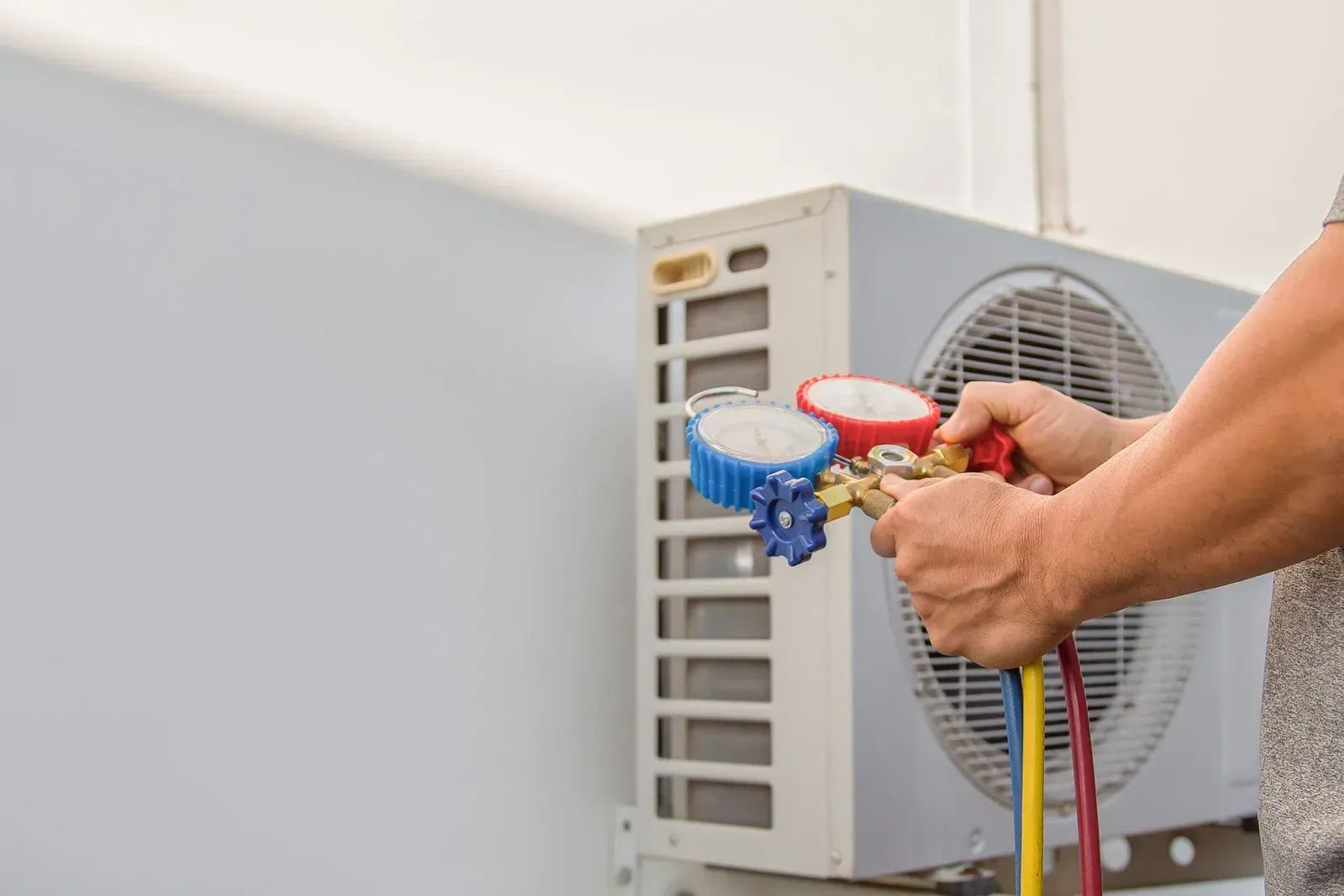
Quick Answer: Warm air from the vents on a hot day usually traces back to one of four things: the thermostat mode or fan setting, a clogged air filter choking airflow, a tripped breaker at the outdoor unit, or a blocked outdoor condenser. Those four checks take a few minutes and solve a real share of "no cold air" calls without a service visit. If the air stays warm after checking all four, or you see ice on the indoor coil or lines, the cause is usually low refrigerant, a frozen coil, or a failing electrical component, and those require a licensed technician. Running the system while it blows warm air only adds strain, so shut it off once you've done your checks and the air is still not cooling.
You come in from the yard on a hundred-degree Galveston afternoon, stand under the vent, and feel air that's barely cooler than the room. The thermostat says it's calling for cooling. The unit outside is running. And the air coming out is warm, or close to it. On a day like this, that's not a minor annoyance. It's the kind of thing that turns a house miserable fast, especially with the humidity we carry off the Gulf.
Before you assume the worst, run through a handful of checks that take less time than waiting on hold. Most of them are things you can look at yourself, safely, in under ten minutes. Here's what to check, what each one tells you, and where the line sits between fixing it yourself and calling a technician.
Check the Thermostat First
It sounds too simple to be the culprit. But thermostat settings cause a real share of warm-air complaints, especially in a house where more than one person is adjusting it.
Mode
Confirm the thermostat is set to Cool, not Heat or Auto in a way that's letting it default to heat. It happens more than people expect, especially with a programmable or smart thermostat where a schedule got bumped or a setting reverted after a power blip.
Fan Setting
Look at the fan switch. If it's set to On instead of Auto, the blower runs nonstop, including during the pauses between cooling cycles when the coil isn't actively pulling heat out of the air. That constant airflow pushes room-temperature or slightly warm air through the vents between cycles, and it can feel like the system isn't cooling even when it's technically doing its job.
Set Temperature
Make sure the set point actually sits below the room temperature. A thermostat reading correctly but set only a degree or two under the current temperature can leave a system running with barely any noticeable output, especially with humidity working against it.
Batteries And Display
If the thermostat has battery backup and the display looks dim or unresponsive, weak batteries can stop it from communicating properly with the system. Sometimes that shows up as inconsistent or missing cooling calls.
Check the Air Filter
A dirty filter is one of the most common causes of warm or weak air, and it's the easiest one to fix yourself.
Pull it and hold it up to the light. If you can't see through it, it's restricting airflow enough to matter. A clogged filter starves the system of the air it needs to move across the evaporator coil, and when airflow drops enough, the coil can get too cold and start icing over instead of just cooling the air. Once that happens, the vents blow warm air because the frozen coil can no longer transfer heat efficiently.
A quick shake or vacuum buys a little time, but it doesn't restore the filter's original airflow rating. Replace it outright if it's been more than a few months, or if you have pets or recent renovation dust in the house.
Standard filters generally need replacement every one to three months. Homes with pets, more occupants, or heavier dust and pollen loads — which describes plenty of Galveston-area homes given the humidity and coastal air — tend toward the shorter end of that range.
Check the Breaker and Power to the Outdoor Unit
If the indoor blower is running but the air is warm, the outdoor condenser and compressor may not be running at all. A tripped breaker is a common reason.
Find the breaker labeled for the AC or condenser at your electrical panel. If it's tripped, sitting in the middle position or flipped fully off, reset it once. Then walk outside and listen. You should hear the fan and feel warm air coming off the top of the unit.
Don't reset it twice. A breaker that trips again shortly after you reset it is protecting the circuit from something — often a failing capacitor, a shorted compressor, or a wiring fault — and repeated resets can make an electrical problem worse or create a safety hazard.
Check the Outdoor Unit for Obstructions
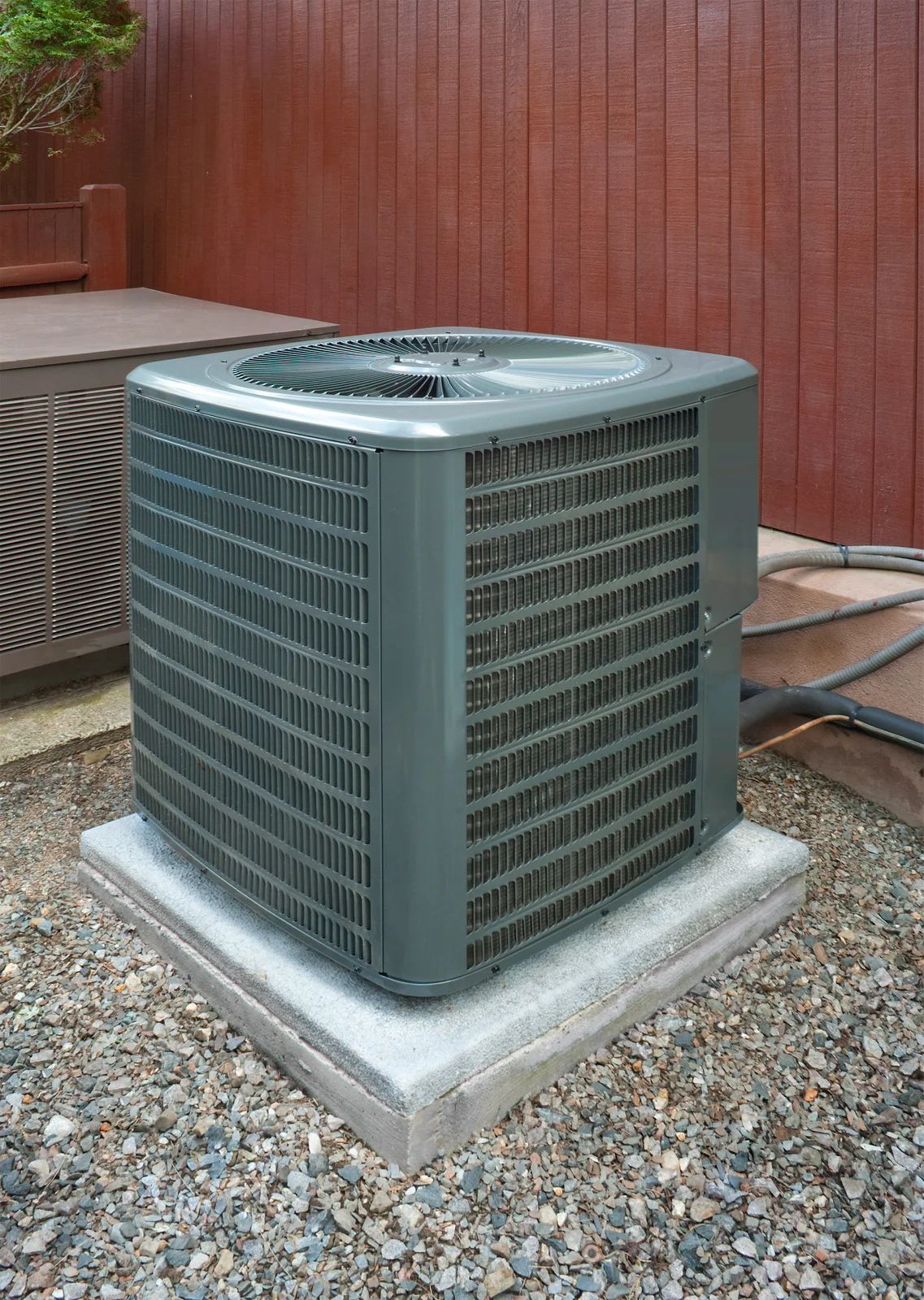
The outdoor condenser has to move a lot of air across its coil to release the heat your system pulls out of the house. Anything blocking that airflow makes the whole system work harder and cool less.
Grass, shrubs, mulch, and stored items crowding the unit restrict the airflow it depends on. Keep roughly two feet of clearance on all sides so the coil can breathe. Look at the coil itself, too — cottonwood fluff, grass clippings, pollen, and salt residue from Gulf air can coat the fins over time and choke airflow the same way a dirty filter does indoors. A light coating you can see through the fins is normal. A solid layer of debris is not.
Check that the fan is actually turning. If the unit is running — you hear the compressor hum — but the fan isn't spinning, the unit can overheat and shut down on a safety switch. Indoors, that shows up as the system running but not cooling.
When the Checks Point to Something Bigger
Gone through the thermostat, filter, breaker, and outdoor unit and the air is still warm? The cause has likely moved into territory that needs a licensed technician.
Ice On The Indoor Coil Or Refrigerant Lines
Ice on the indoor coil or refrigerant lines usually indicates restricted airflow or low refrigerant. Don't chip it away, as this can damage components. Turn off cooling, allow thawing, and arrange professional service.
Suspected Refrigerant Leak
Low refrigerant prevents the system from absorbing heat properly and can cause warm air at the vents. Refrigerant handling requires EPA Section 608 certification, making leak diagnosis, repair, and recharging work unsuitable for DIY attempts.
A Capacitor Or Contactor That's Failed
Failed capacitors or contactors can prevent the compressor or outdoor unit from operating properly. You may hear humming or clicking, while the indoor blower continues running, producing airflow without actual cooling.
A Breaker That Keeps Tripping
A repeatedly tripping breaker can indicate an electrical fault, overloaded circuit, or failing component. Don't keep resetting it repeatedly. Turn the system off and have a qualified technician diagnose the underlying electrical problem.
Tip: Write down what you find during your checks — thermostat mode, whether the filter was dirty, whether the breaker was tripped, whether the outdoor fan was spinning. That information saves a technician diagnostic time on the visit and often speeds up the repair.
Timing matters too. On a Gulf Coast summer afternoon, a system already struggling with heat and humidity doesn't have much margin. Running a unit that's blowing warm air for hours, hoping it corrects itself, usually just adds strain to a compressor or coil that's already compromised. That's how a same-day fix turns into a bigger repair.
Frequently Asked Questions
Why is my AC blowing warm air even though it's running?
The system can run with the blower on and the outdoor fan turning without ever cooling. That happens when the compressor never engages, the refrigerant charge is low, or the coil has iced over from restricted airflow.
Is it normal for the air to feel warm right when the AC turns on?
A brief moment of near room temperature air at startup is normal while the system ramps up. If it hasn't cooled down within a minute or two, the cause sits somewhere in the checks above.
Can a dirty filter really cause warm air, or is that too simple?
Yes. A clogged filter restricts the airflow the evaporator coil depends on. Reduced airflow lets the coil get too cold and freeze, and a frozen coil stops transferring heat, which produces warm air at the vents.
Should I keep running my AC if it's blowing warm air on a hot day?
No. Once you have run the checks and the air is still warm, shut the system off. Running a unit that isn't cooling adds strain to the compressor and can worsen a coil or refrigerant issue.
How do I know if the problem is the thermostat and not the AC unit itself?
If adjusting the mode, fan setting, or temperature restores cool air within a few minutes, the thermostat was the problem. If those settings check out and the air stays warm, the fault sits in the equipment.
Why does this seem to happen more on the hottest, most humid days?
Extreme heat and humidity push a system close to its working limits. A slightly dirty filter or a weakening capacitor goes unnoticed on mild days but becomes obvious once the system runs under maximum load.
Working Through Warm Air Before the Heat Wins
Warm air from the vents on a hot day is unsettling, but it rarely stays a mystery once you work through it in order. A thermostat set wrong, a clogged filter, a tripped breaker, or a crowded outdoor unit account for a meaningful share of these calls, and each one takes only a few minutes to rule out. Starting with the simplest possibilities first keeps you from paying for a service visit that a five-minute fix would have covered.
When all four checks come up empty and the air stays warm, the system is telling you the problem has moved past what a homeowner can safely handle. Ice on the coil, a breaker that keeps tripping, or a compressor that never engages all point toward diagnostic work. JS Air Conditioning
has spent 30
years on Galveston, TX homes in exactly this situation, and a Gulf Coast afternoon is no time to wait one out.